
ADVANTAGES OF ENGINEERED WETLAND TREATMENT

How Engineered Wetlands Work

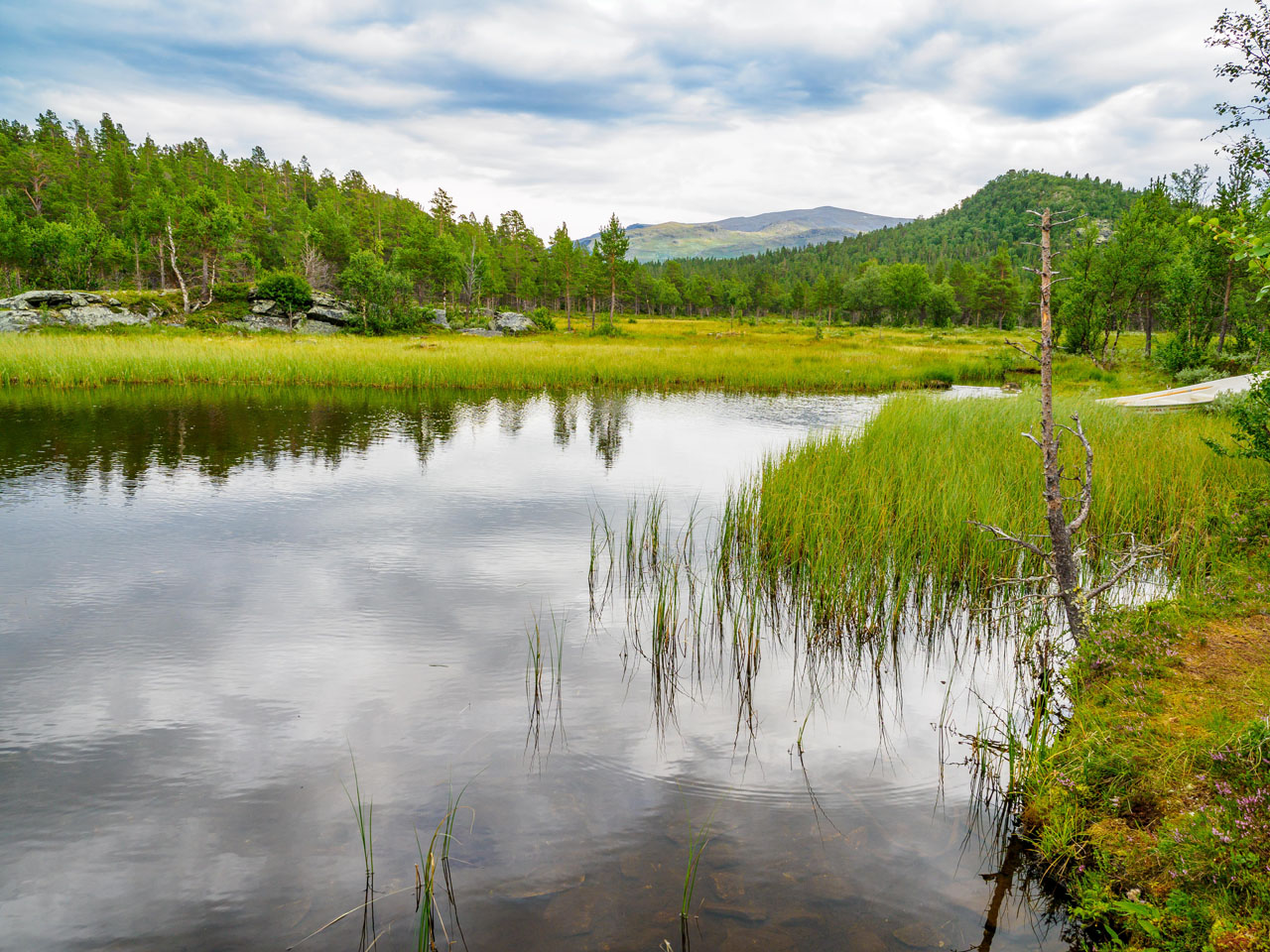
Engineered wetlands use natural biological processes to treat wastewater safely and efficiently. Within a specially designed soil matrix and planted reed system, naturally occurring microorganisms break down organic contaminants under both aerobic and anaerobic conditions. This passive treatment process eliminates the need for chemicals, blowers, or complex mechanical systems while delivering reliable, high-level treatment performance.

Unlike conventional systems, MSR® engineered wetlands extend microbial activity deep into the soil profile, significantly increasing treatment capacity. Oxygen transferred through specialized wetland plants creates stable treatment zones that continuously regenerate and maintain performance — even under fluctuating loads or extreme climates. The result is a long-life, low-maintenance system designed to operate efficiently for decades.
Kickuth Technology Project List

Summary of Reed Bed Effluent Treatment Systems Designed by our Award Winning Wetland Engineers

Project Name
Date of Commission
Type of Effluent
Area
Load
Notes
SWMCOL
Landfill Leachate – Trinidad

2016-2019

Leachate pilot project

Mobile Pilot – 65m2

Extreme landfill leachate loadings

Very successful pilot with over 95% of treatment objective achieved

Salmonier Nature Park

2015

Commercial Sewage

3,800 m2
Typical Loading of Park Facilities
Peak loading during high visitation, then almost dormant during other periods
Bishop’s Fall, NL, Canada

2015

Municipal Sewage, town of 4,500 PE

24,600 m2

Sewage with large Stormwater fluctuations, 4,300 m3/day
System is currently going through the final commissioning stage
Deer Lake Airport

2013

Commercial Sewage

2,200 m2

Sewage from Airport
Replacement of failing leach fields
Landfill Leachate Facility, Norris Arm, NL, Canada

2011

Leachate treatment, specifically ammonia reduction

4,000 m2

Reduction of Leachate contamination levels specifically Ammonia
Wastewater is fed to a vertical-flow engineered wetland bed to provide primary treatment.

Sludge Treatment

2010

Septic Sludge Cells
2,400 m2
Municipal septic sludge
Mineralizes and composts sludge with effluent treated to CBOD <10mg/l

Stephenville, NL, Canada

2010

Municipal Sewage, town of 8,000 PE
20,000 m2
Removal of BOD, Suspended solids, 4,500 m3/day
BOD: 78mg/L reduced to 11.6mg/L (87% reduction)

Long Term Care Facility, Corner Brook, NL, Canada

2009

Institution/Hospital LEED Certified Project
2,750 m2
Removal of Very High CBOD levels to 10 mg/l
Parallel and or series design of two (2) horizontal beds, to allow for max flow or max treatment options

Appleton & Glenwood, Canada

2006

Municipal Sewage, town of 1,800 PE
12,400 m2
Flow 3,500 m3/day, BOD, COD, Ammonia, & Pathogens reduction
BOD 160 mg/L reduced to < 10 mg/l TSS 200 mg/l reduced to < 6 mg/l

Visitor Centre

2004

Sewage
30 m2
Sewage
Interpretation display system

Circle Square Kids Camp

2003

Sewage
600 m2
Sewage from camp for 400 kids
Treatment for expansion of remote camp

Pilot Municipal Sewage Treatment Project, Marystown, NL, Canada

2001

Sewage
640 m2
Effluent undergoes biological treatment in the wetlands

.

Awards

NRC

Regional Innovation Award

Recognizing innovative application of engineered wetland technology.

PEGNL

Provincial Environmental Award

Awarded by the Professional Engineers and Geoscientists of Newfoundland and Labrador.

FCM

Leadership in Stormwater & Wastewater Management (Atlantic Canada)

Awarded by the Professional Engineers and Geoscientists of Newfoundland and Labrador.

Salmon Association of Newfoundland & Labrador – Preservation of Salmon Habitat Award

For protecting salmon habitat through advanced wastewater treatment design.

CWWA

Project of the Year (Atlantic Branch)

Awarded by the Canadian Water & Wastewater Association for outstanding project delivery.

APEGNB

Provincial Environmental Award

Presented by the Association of Professional Engineers and Geoscientists of New Brunswick.